Country/Region/City
Each FISU World University Championship is more than just a sporting event — it is a unique opportunity to discover a new culture, explore a region, and connect with a vibrant academic community.
This page introduces you to the host country and city for this edition, highlighting their history, key characteristics, and commitment to sport and youth.
Spain
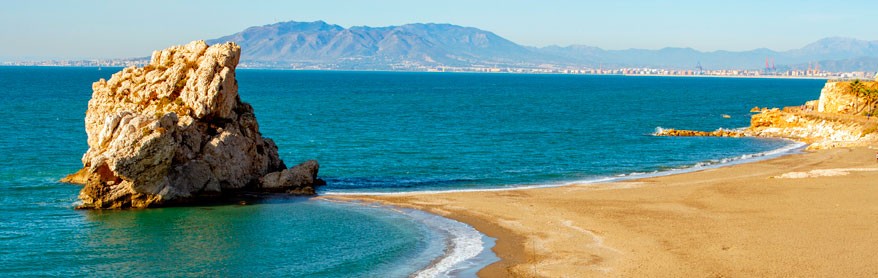
Spain is one of the largest countries in Europe in both in territory and population. Bordered by the Atlantic Ocean, Mediterranean Sea and the Pyrenees and neighbouring three countries, it stands out for its remarkable cultural, geographical, and climatic diversity.
Culturally part of Latin Europe and heir to a strong Greco-Roman influence, Spain also boasts the fourth largest number of UNESCO World Heritage Sites in the world. Its capital is Madrid, while other internationally renowned cities include Barcelona and Seville.
Spain is known worldwide for tourism, football, its religious architecture and gastronomy, as well as for its dynamic economy and growing international presence.
Andalusia
Andalusia is one of Spain’s most distinctive regions, both in scale and cultural identity. Stretching from the Mediterranean Sea to the Atlantic Ocean, it is known for its diverse landscapes, ranging from sandy coastlines to fertile plains and mountain ranges.
Shaped by a rich crossroads of civilisations, Andalusia preserves an exceptional Moorish heritage, visible in landmarks such as the Alhambra in Granada, the Mezquita in Córdoba and the Giralda in Seville. Its cities—Málaga, Seville, Granada and Cádiz among others—are celebrated for their historical depth and vibrant traditions.
The region is renowned worldwide for its beaches, flamenco, whitewashed villages and lively festivals, as well as for its welcoming spirit and strong cultural identity. Today, Andalusia remains one of Spain’s major tourist destinations and an influential region, recognised for its arts, gastronomy and dynamic way of life.
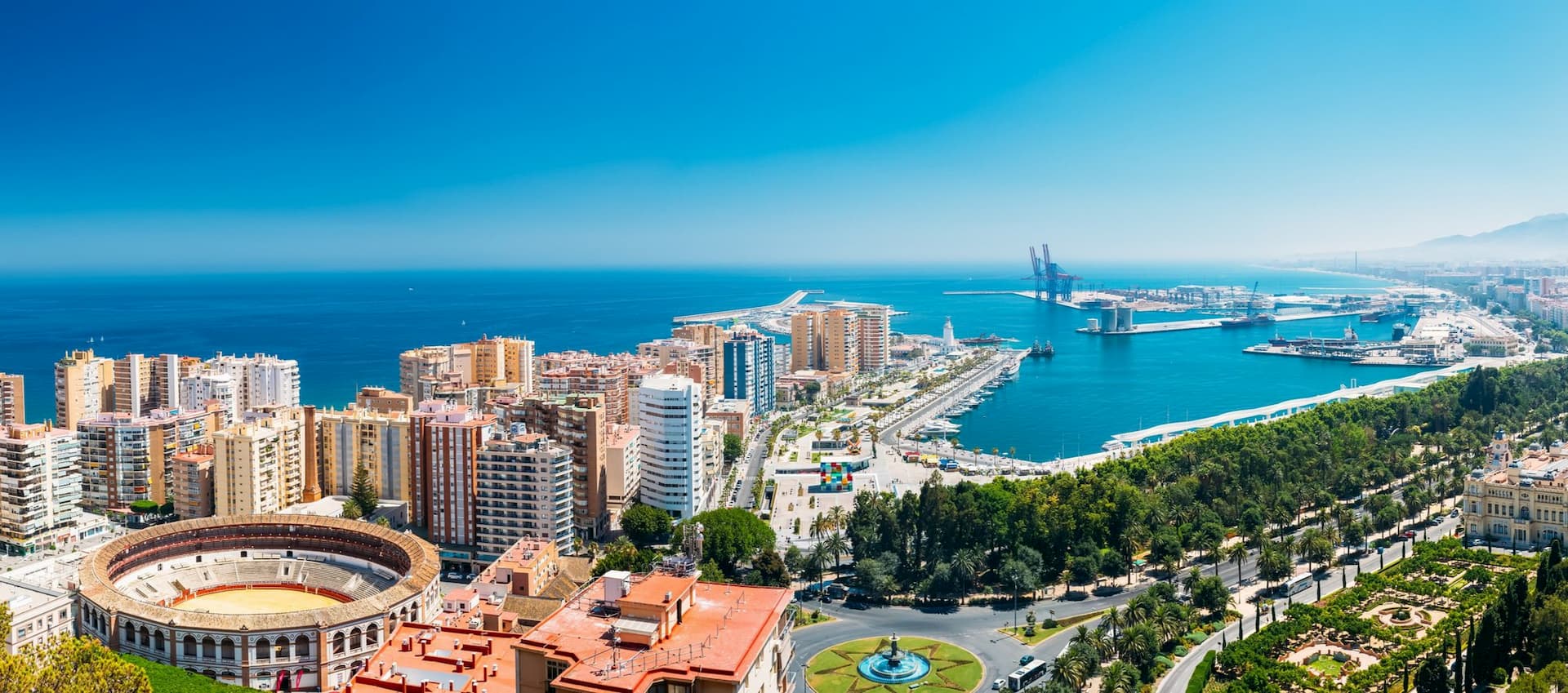
Málaga
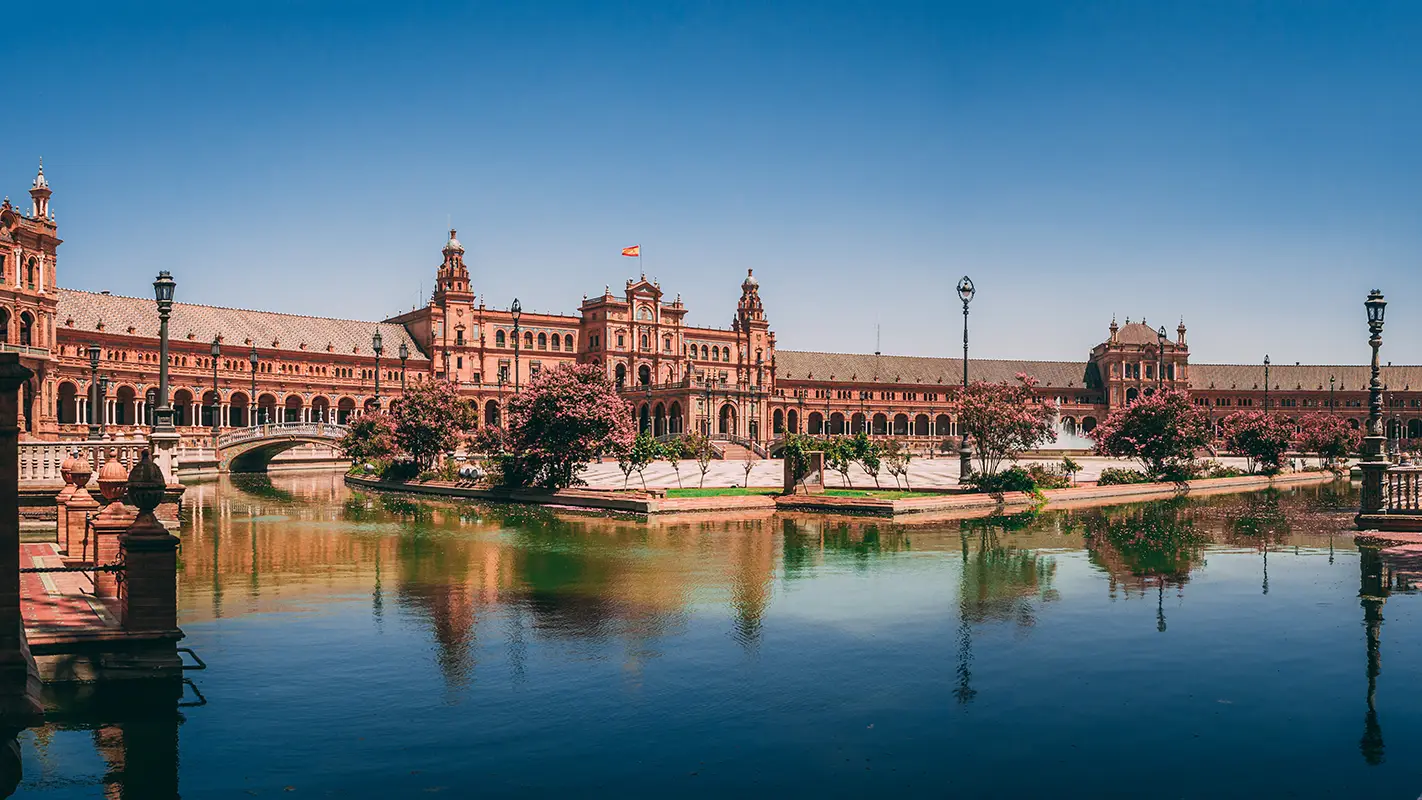
Málaga is one of Spain’s most emblematic cities, renowned for its beaches, Mediterranean cuisine, mild climate, museums and international airport. Nestled between the sea and the mountains, it offers striking landscapes and a vibrant cultural life.
Known for its Semana Santa celebrations and major international events, Málaga embodies the energy and diversity of contemporary Spain. It is a city of life, history, and openness — an ideal setting for an international event.
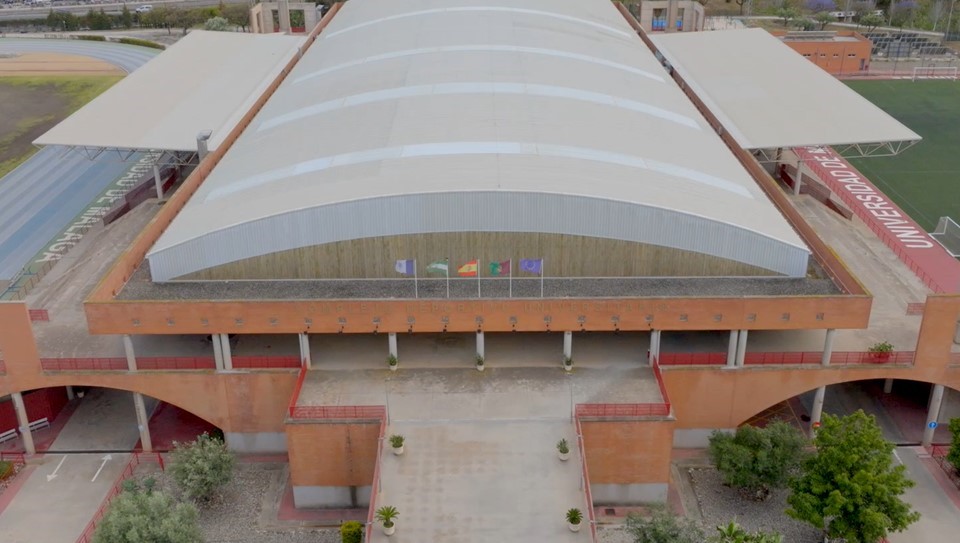
University of Málaga
The University of Málaga is a modern public institution founded in 1972, it has over 35,000 students and approximately 2,700 academic staff.
For the 2025/26 academic year, it offers 77 Bachelor´s and Double Bachelor´s degrees, 86 Master´s and Double Master´s degrees, 28 Doctoral programmes, and a range of university specific qualifications.
Teaching is delivered across 19 faculties and schools by academic staff belonging to 71 departments.